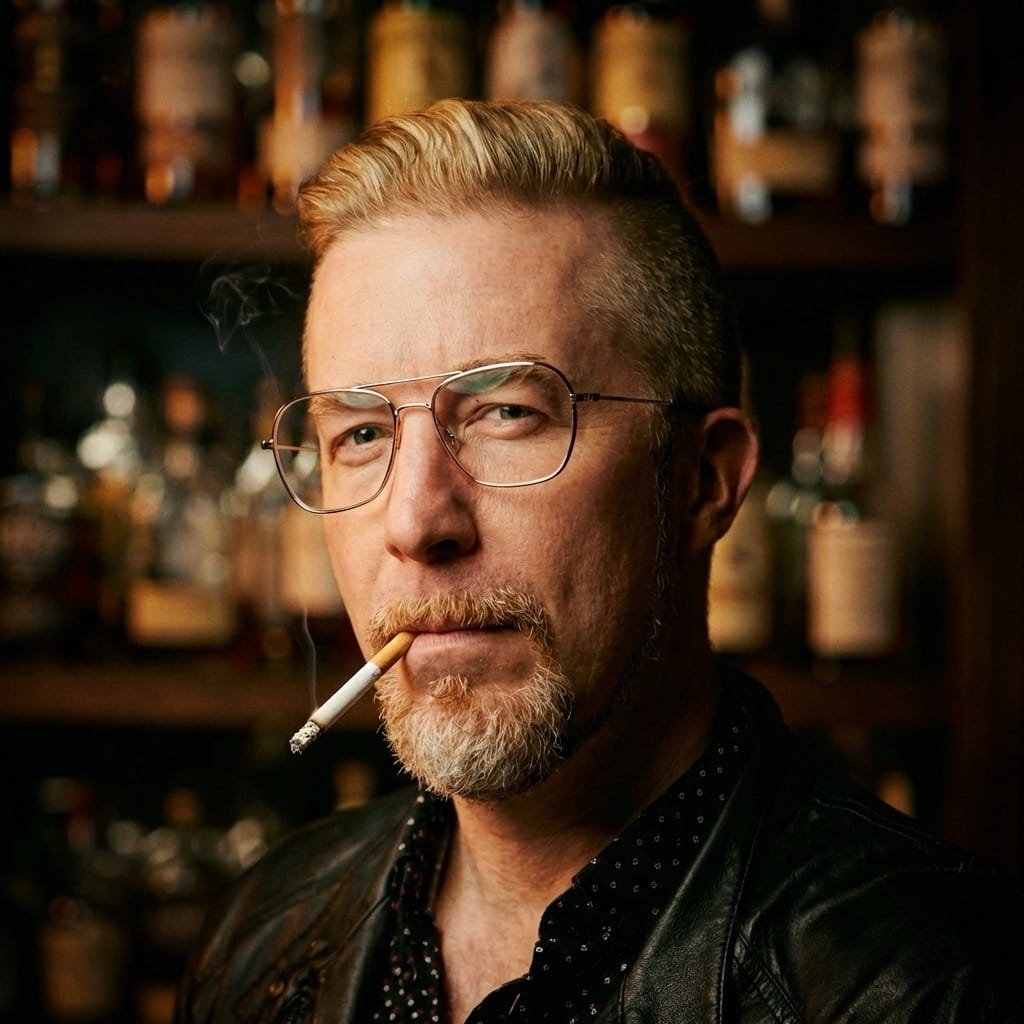
I was honored to serve on a panel on open source with such greats as Doc Searls, Matt Mullenweg, Simon Phipps and William Hurley at Barcamp Austin. Organized and moderated by Raven Zachary, we touched on a number of facets of open source development, from the difficulty that Sun's having open sourcing Java to the impending need for more usability and accessibility design in open source. Doc's done quite a bit of blogging after the fact and posted a very interesting and didactic chapter (in draft form) from his book, Open Sources 2.0, called Making a New World:
Note that podcasting became a hot category without the help of a large company. Instead, it began with the demand side supplying itself. Now watch for big companies to jump in, and for businesses of all sizes to start making money. And watch for most of that money being made because of podcasting's open standards and open source components, rather than with them. It will eventually become clear to everybody that there is far more money being made because of open source than with open source. This is what we have to remember every time somebody asks, "How can you make money with (open source product)?" The answer is, "You don't make money with it. You make money because of it." The because of principle is old hat in mature business categories, but it's new to the software business. Too many of us still want to see "business models" for all kinds of goods that don't belong on the income sides of balance sheets. Would you ask your telephone what its business model is? How about your front porch? Your driveway? Your clothes? Those things may help us make money; but they are not how we make money. Well, the same goes for open source products. They are means to ends. You make money because of them, not with them.
This line of reasoning smacks at why we need to open source all infrastructure, including OS', including our economic system, including education, including government and of course, including supplementary enablers like phone networks, WiFi, IP and the entire legal system. Utopic? Hardly. So while, sure, it's hard to imagine where we are today independent of where we've been, truly there's never been a time in history when things have been so different, when anything has been so possible to so many, when the world, quite literally, is at our collective and individual fingertips. And yet we treat infrastructure -- which is akin to our modern day waterways and subterranean sewer networks -- as proprietary conduits for tranferring "privileged" data. Think about it this way: if the water that's piped into your house had DRM on it and only allowed you to use it for showers, how would you wash your clothes? If you were only allowed to make ice cubes, how would you make iced tea? If you had to pay $0.99 everytime you wanted a glass of water? The whole lot of proprietary infrastructure needs to be open sourced and given back to people. To people over companies. To those who believe in self-determination. Listen, here's what's at stake: Ideas and hope need to flow like water if a civilization is to continue its ascension toward greatness. Impediments to that flow will stall growth. Fortunately, like a solvent, the culture of open source will continue to expand, will wear away at these impediments, to restore the natural flow of social capital, of ideas, of hope. Those who get this first will rise, and rise quickly. Don't think that the owners of the 21st century have been preselected. It may seem that the power brokers controlling the media, the government, our place in world affairs, will continue to maintain their grip on the plight of our civilization. But I can assure you that that's not a certainty. That which represented power in the previous century will come to represent weakness, repression, isolation -- irrelevance. Civilization will advance not with open source, but because of it.
💬 Comments from the original post